


Origins
References in Pytheas, Pomponius Mela, Pliny the Elder, Tacitus, Ptolemy, Procopius, Jordanes. Archaeological remains indicate Roman connections in the 3rd century after Christ, but there is no evidence for close Continental relations until the Viking period.
Viking period
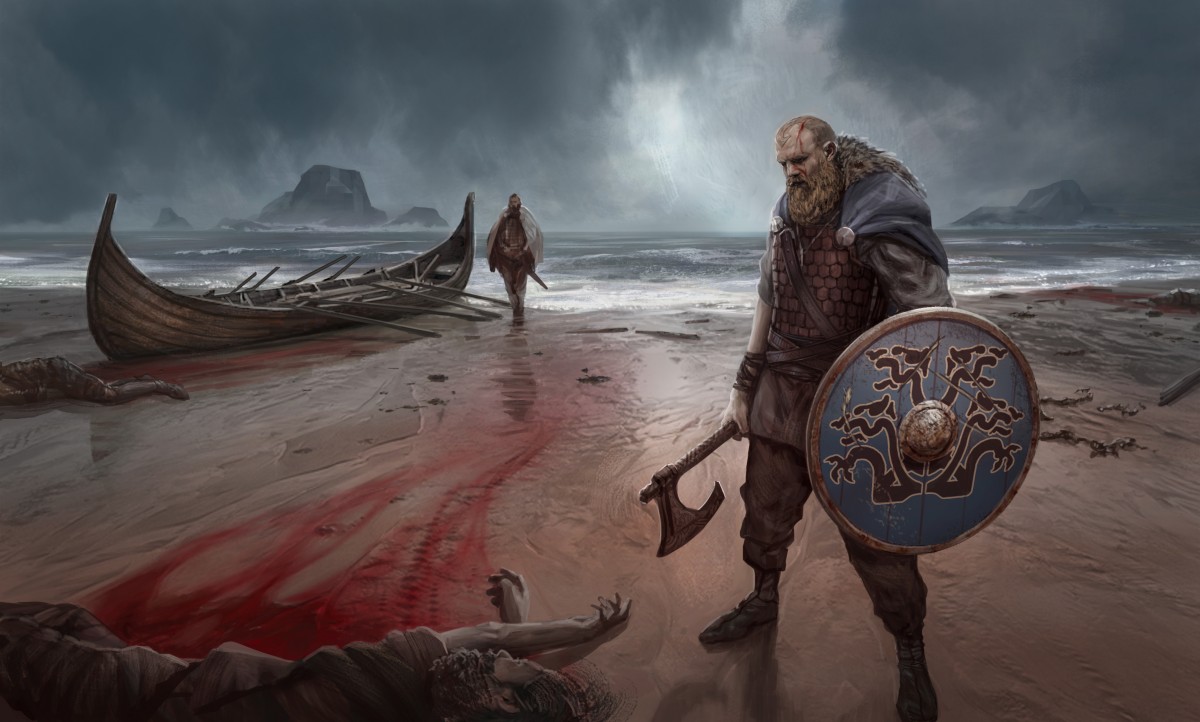
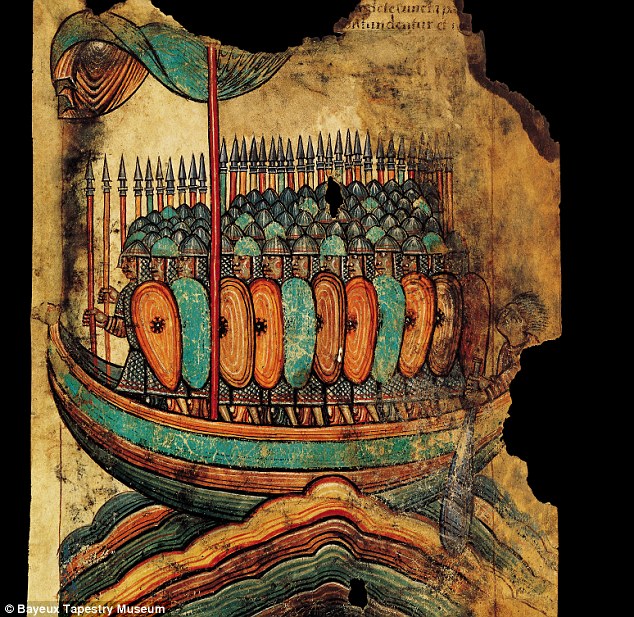
Scandinavia developed in isolation during the barbarian migrations until the 2nd century C.E. The Viking expansion from Scandinavia itself prolonged the period of migrations in Europe for 400 years. The traditional participation of Scandinavia was as follows: Norwegians (westward): raids in Scotland, Ireland, Iceland, Greenland, and even expeditions to North America. (Hrolf the Ganger, or “Rollo”); Danes (the middle passage): British Isles, France, the Low Countries; Swedes (eastward): across Slavdom to Byzantium (foundation of Novgorod, 862, Kiev c. 900). There never was a mass migration, and probably all shared in the various movements to some degree. Causes: scholars speculate that polygamy may have created population pressures for emigrations; that the practice of primogeniture forced younger sons to seek their fortunes abroad; that mercantile expansion, especially among the Frisians (people in area of modern Holland) whetted the Viking appetite for trade, and that the Viking culture encouraged the desire for adventure and plunder abroad. Means: shallow longboats, equipped with sails, oars, a rudder at the stern and capable of carrying 40 to 60 men, proved easily maneuverable on both rough northern waters and inland rivers, and were versatile—used for raiding and commerce.

Norwegian Colonization
Ireland: the Norwegian conquest began c. 823, and centers were established at Dublin (the kingdom endured until 1014), Waterford, and Limerick. Exodus of learned monks to Europe (Scotus Erigena?). Attacks by the Picts and Danes. The subsequent colonization of the Scottish Islands drew Norwegians from Ireland and accelerated the celticization of the colonists who remained there. The Islands: Hebrides, Man, Faroes, Orkneys, Shetlands. Iceland: reached by Irish monks c. 790; discovered by the Northmen (Norsemen) in 874 and colonized almost at once; establishment of a New Norway, with a high culture. Greenland: visited by Eric the Red of Iceland (981) and colonized at once; expeditions from Greenland to the North American continent. The Norse settlements in Greenland continued until the 15th century.

Civilization
Large coin hoards indicate the profits of raids and trade with the British Isles, Mediterranean, Byzantium, and Muslim Asia. Export of furs, slaves, arms (to eastern Europe), and mercenary services to rulers (e.g., bodyguards of Ethelred, Canute, Slavic princes, Byzantine emperors). Trade eastward was cut off by the Huns and Avars (5th and 6th century) but resumed after Rurik’s expedition (862) reopened Russia.
Runes
Runes (from a Scandinavian root meaning to inscribe) were already ancient in the Viking period, and probably are modified Roman letters. The Eddas, dramatic lays (prose and verse) of the Norwegian aristocracy (especially in Iceland) dealing with gods and heroes (many in the German tradition, e.g., Sigurd and the Nibelungs), are the highest literary production of pagan Scandinavia.

Scandinavian society
Viking society rested on wealth from raids and commerce and consisted of a landed aristocracy with farmer tenants who had the right and obligation to attend local courts. The only general assembly was the Allthing of Iceland (established 930), the oldest continuous parliamentary body in existence.
Mythology and religion
The Norwegians had a more complicated mythology than any other Teutonic people: giants, elves, dwarfs, serpents, succeeded by the triumph of Odin, his wife, Friga, and his son, Thor.
Conversion to Christianity
The first Christians (probably captives) appeared in the 6th century. The first Christian missionary was the Anglo-Saxon Willibord (c. 700), who accomplished little. A Carolingian mission (c. 820) was welcomed by King Bjorn of Sweden. A few years later (c. 831) the archbishopric of Hamburg was established and became at once the center for missionary work in the north.

