


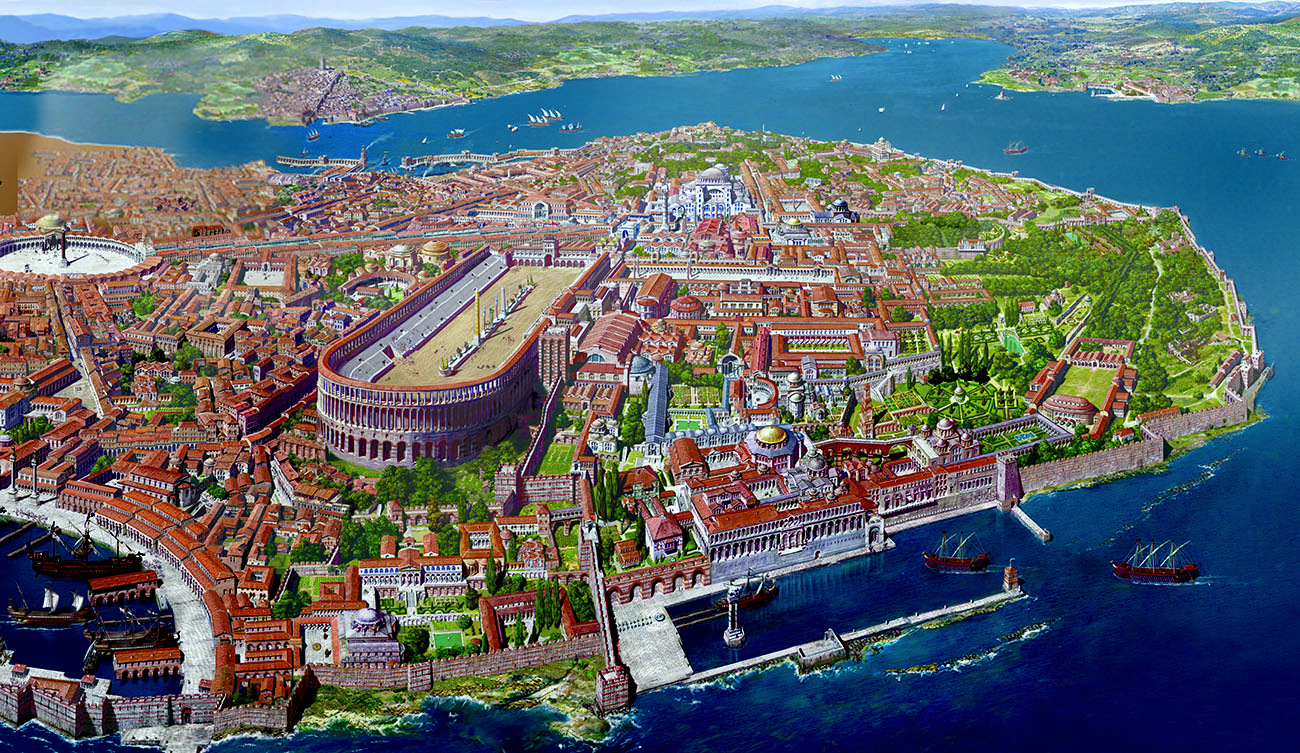
The Byzantine Empire was the remainder of the Roman Empire during late antiquity and the Middle Ages. Here are some things you may not know about the Byzantine Empire.
-
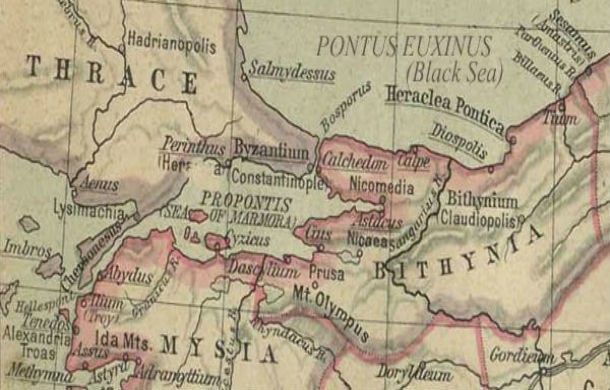
Byzantium was an ancient Greek city founded by Greek colonists from Megara in 657 BC. The city was rebuilt as the new capital of the Byzantine Empire by Emperor Constantine I in 330 AD and renamed Constantinople in his honor.
-
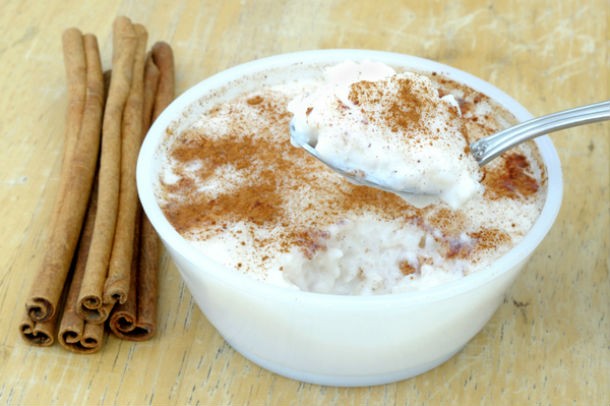
The Byzantines loved sweets and desserts more than anything. The Byzantines loved to eat rice pudding served with honey and cinnamon.
-
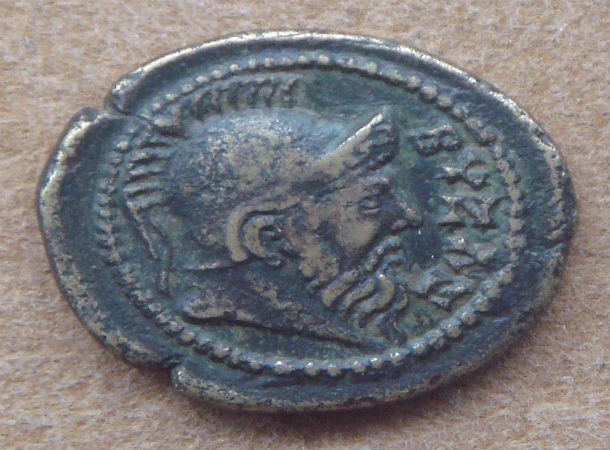
Byzantion is said to be named after Byzas, the leader of the Megarean colonists and founder of the city. The form “Byzantium” is a Latinization of the Greek Byzantion.
-
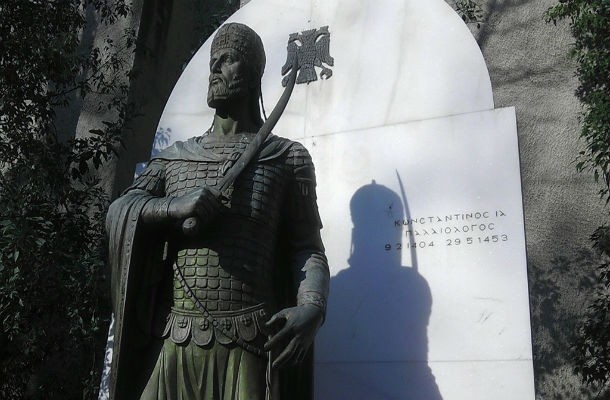
The longest Byzantine dynasty, almost two hundred years, was also its last. The Palaiologos dynasty began with Michael VIII, and ended with Constantine XI.
-
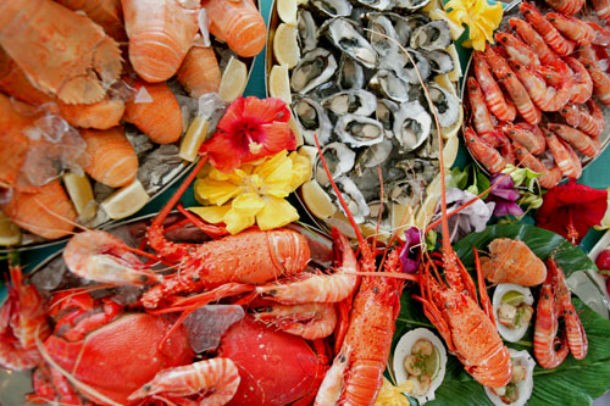
The Byzantines enjoyed seafood, specifically a very popular dish they called “botargo,” which was salted mullet roe.
-
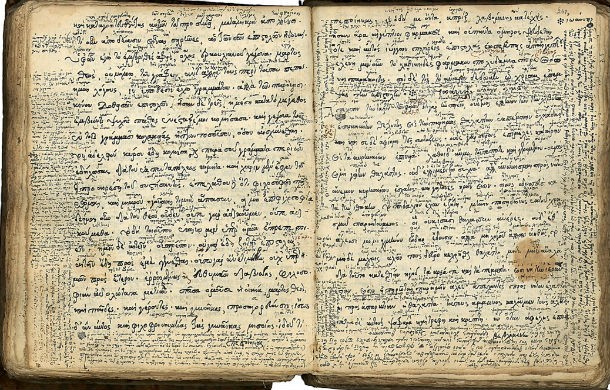
What many people ignore or don’t realize is that most of the classical literature that survives today was preserved thanks to the Byzantine Empire.
-
According to many modern historians, Byzantine civilization is very important because without it the modern Western world would not exist.
-
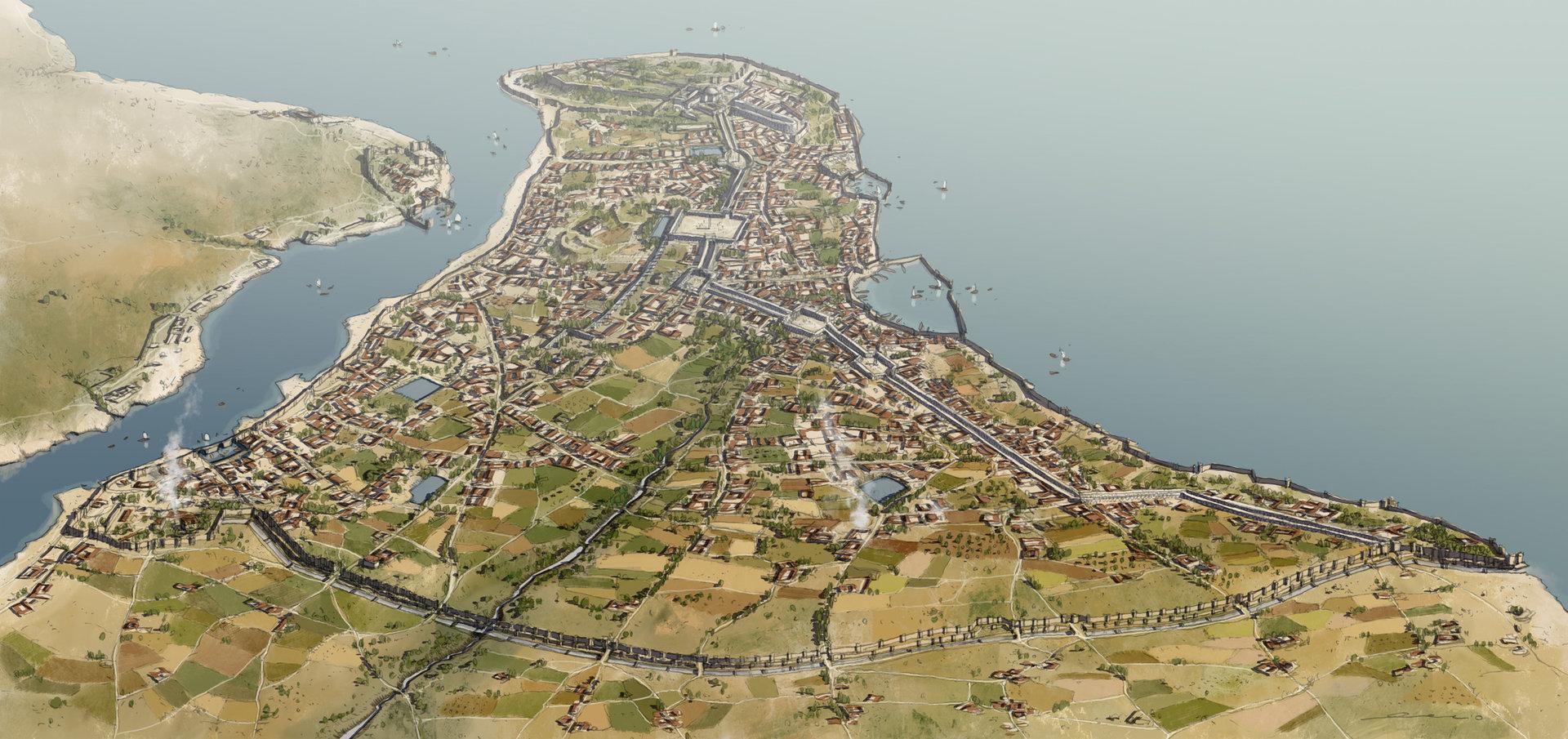
From the perspective of medieval Western Europe, Constantinople was a city of magic and mystery. Early French epics and romances tell of the wondrous foods, spices, drugs, and precious stones that could be found in the palaces of Constantinople.
-
In 1054 the most defining moment in the history of the empire occurred: the Great Schism. The Latin Roman Church and the Greek Orthodox Church broke from each other. The Latins began referring to the Byzantines as “Greeks” and used this term more and more, until the fall of the empire in 1453.
-
The Byzantine navy was the first to employ a terrifying liquid in naval battles that they called “Greek Fire.” The liquid was pumped onto enemy ships and troops through large siphons mounted on the Byzantine ships’ prows. It would ignite upon contact with seawater, and could only be extinguished with great difficulty.


Didn’t break from each other, three Roman deacons came and placed an order of excommunication [supposedly without the popes consent] on the altar of Hagia Sophia. Not that they were getting along anyway, but the impetus to separate came from Rome, at the time a backwater former capital. Constantinople’s status as the major city in Christendom might have had something to do with that as well.