


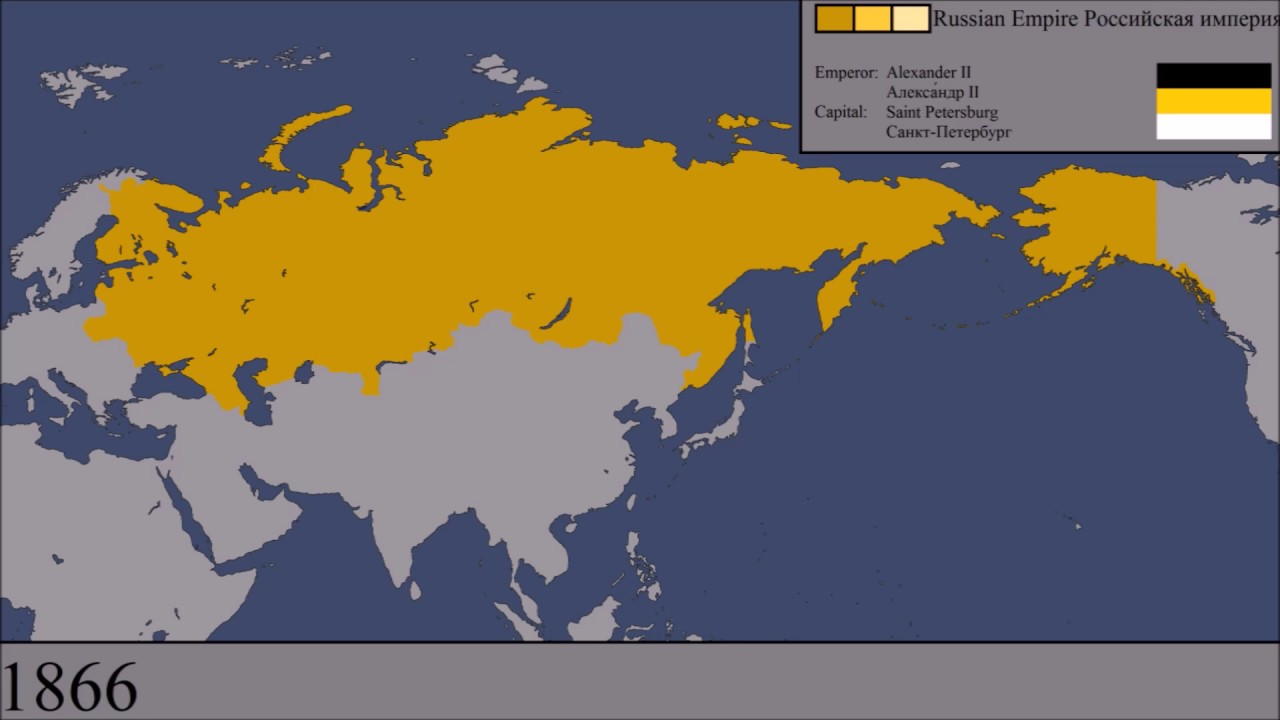
As a result of the First Partition of the Polish-Lithuanian Commonwealth (1772), Vitebsk and Polotsk were ceded to Russia. The Mogilev province was formed in the territories annexed to Russia. As a result of the Second Partition of the Polish-Lithuanian Commonwealth (1793), Minsk departed to Russia. As a result of the Third Partition (1795), the borders of Russia reached Brest.
In 1796, the Belorussian province was established with the center in Vitebsk ( Vilna became the center of the Lithuanian province ). The county was divided into 16 counties. On the territory of Belarus among local Jews, the Chabad doctrine is spread.
During the Patriotic War of 1812 in the north of Belarus, the Russian army of Count Wittgenstein led the rearguard battles (Battle of Klyastitsy, First Battle of Polotsk), covering the approaches to St. Petersburg. The situation was complicated by the fact that Polish forces (General Dąbrowski), who were sympathetic to the local Polonized gentry, fought as part of the French army. In November 1812, Russian troops regained control of Minsk, after which the French were defeated in the Battle of Berezina.
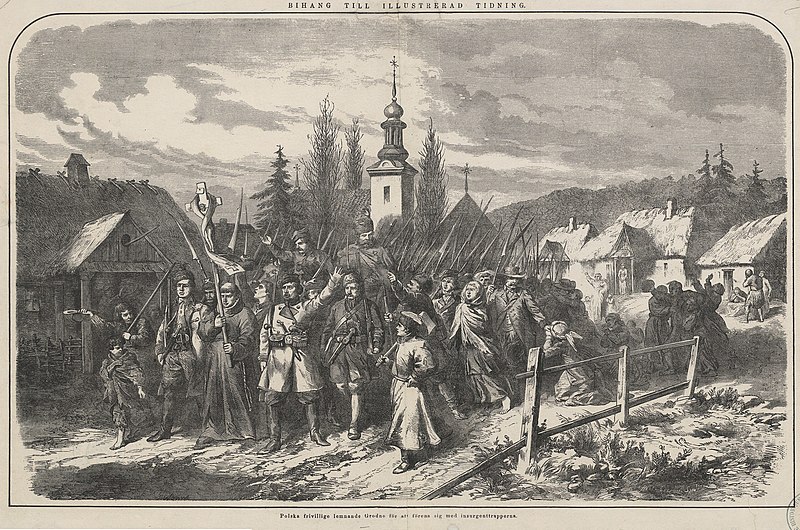
In 1830, the polonized local gentry joined the Polish uprising , which led to the depolonization of the region. The policy of “nobility” was initiated, according to which those who claimed the nobility titles were obliged to provide solid evidence. A certain number of people as a result lost their noble status.
In 1839, the Polotsk Council was held, which abolished the Brest Union in 1569 and approved the church reunification of Belarus and Russia. The decisions of the Polotsk Cathedral were signed by 1305 Uniate priests. The decisive role in this reunification was played by the Bishop of the Lithuanian Greco-Uniate Diocese Joseph (Semashko). Organs were removed from the churches and iconostases were installed. Among the Orthodox population, the ideology of Western Russianism was gaining more and more popularity, according to which Belaya Rus was interpreted as Western Russia, and Belarusians are an integral part of the triune Russian people. This idea was carried out, among others, by the Bulletin of South-Western and Western Russia, which began to appear in 1862 under the editorship of Xenophon Govorsky. Among historians, the concept of Western Russianism was developed by Mikhail Koyalovich.
In 1863-1864, a gentry uprising broke out on the territory of the Kingdom of Poland and the North-Western Territory, the main purpose of which was the restoration of the Polish-Lithuanian Commonwealth. In the North-Western Territory, the uprising, not supported by the Belarusian peasantry, was led by Konstanty Kalinowski, a representative of the radical rebel left wing. By effective measures taken by the new Vilna governor-general M. N. Muravyov , the uprising was suppressed. Kalinowski was captured, convicted and hanged. In order to reduce the social base of the uprising, the government carried out measures aimed at improving the socio-economic situation of the population, as well as depolonization of the educational, cultural and public spheres.
The reforms of the 1860–1870s accelerated the socio-economic development of Belarus, and contributed to the formation of capitalism. At the same time, reforms in the North-Western Territory were carried out in a curtailed form, one of the most significant reforms, the Zemstvo, was never carried out. The law on zemstvos in the western provinces was adopted only in 1911.
The revolutionary wave of the beginning of the 20th century contributed to the rise of the wave of the Belarusian national movement.
The idea of independence of the Belarusian people was first put forward by the Gomon populist group that operated among Belarusian students in St. Petersburg in the 1880s under the influence of similar Ukrainian groups. In 1902 the Belarusian socialist community appeared. In 1906, the first Belarusian-language newspaper, Nasha Niva, appeared. At the same time, the ideas of Western Russianism continued to retain their influence in Belarus. So in 1912, the pro-Russian newspaper Minsk Russian word began to be published.

