


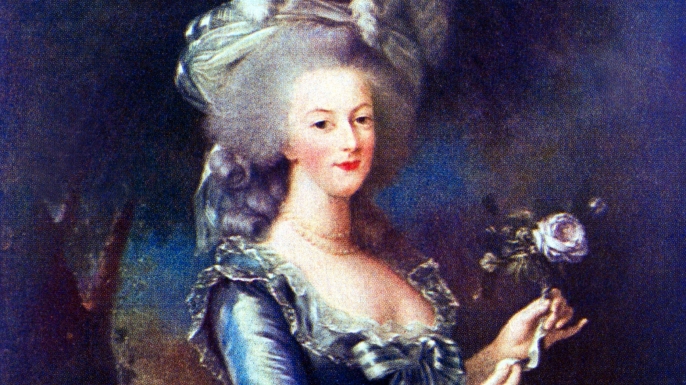
Marie Antoinette, the 15th child of Holy Roman Emperor Francis I and the powerful Habsburg empress Maria Theresa, was born in Vienna, Austria, in 1755–an age of great instability for European monarchies. In 1766, as a way to cement the relatively new alliance between the French and Habsburg thrones, Maria Theresa promised her young daughter’s hand in marriage to the future king Louis XVI of France. Four years later, Marie Antoinette and the dauphin were married by proxy in Vienna.n May 16, 1770, a lavish second wedding ceremony took place in the royal chapel at Versailles. More than 5,000 guests watched as the two teenagers were married. It was the beginning of Marie Antoinette’s life in the public eye.
By the time she was executed at the guillotine on October 16, 1793 (nine months after her husband, King Louis XVI, was killed the same way), she had been disparaged as a frivolous, selfish, and immoral woman whose lavish lifestyle had increased economic inequality. To be clear, Marine Antoinette was no saint. She believed that the French Bourbon monarchy had been ordained by God, and so she didn’t accept the idea that royals like her were equal to their subjects. She also wore flour on her wigs while many French people went without bread.
Here are five facts about the famous queen.
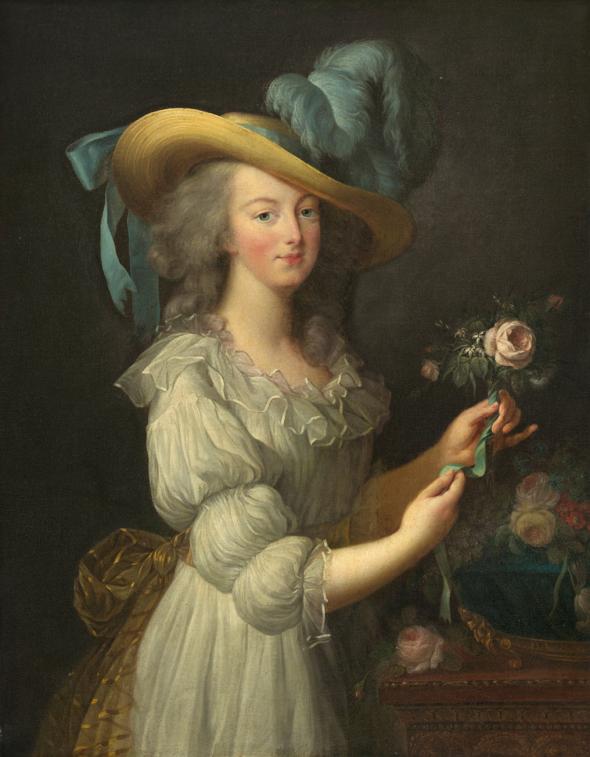
She was only 14 years old when she married the future Louis XVI.
To seal the newfound alliance between longtime enemies Austria and France that had been forged by the Seven Years’ War, the Austrian monarchs offered the hand of their youngest daughter to the heir apparent to the French throne, Dauphin Louis-Auguste. On May 7, 1770, the 14-year-old royal bride was delivered to the French on an island in the middle of the Rhine River, and a grand procession escorted the archduchess to the Palace of Versailles. The day after Marie Antoinette met the 15-year-old future king of France, the two were wed in a lavish palace ceremony.
Marie Antoinette never said “Let them eat cake.”
When told that starving French peasants lacked any bread to eat, the queen is alleged to have callously declared, “Let them eat cake!” There is no evidence, however, that Marie Antoinette ever uttered that famous quip. The phrase used to encapsulate the out-of-touch and indifferent royals first appeared years before Marie Antoinette ever arrived in France in philosopher Jean-Jacques Rousseau’s description of Marie-Therese, the Spanish princess who married King Louis XIV in 1660. The remark was also ascribed to two aunts of Louis XVI before it was apocryphally tied to Marie Antoinette.
The trumped-up charges against Marie Antoinette included incest.
Nine months after the execution of the former King Louis XVI, a Revolutionary Tribunal tried the former queen on trumped-up crimes against the French republic that included high treason, sexual promiscuity and incestuous relations with her son Louis-Charles, who was forced to testify that his mother had molested him. After a two-day show trial, an all-male jury found the former queen guilty on all charges and unanimously condemned her to death.
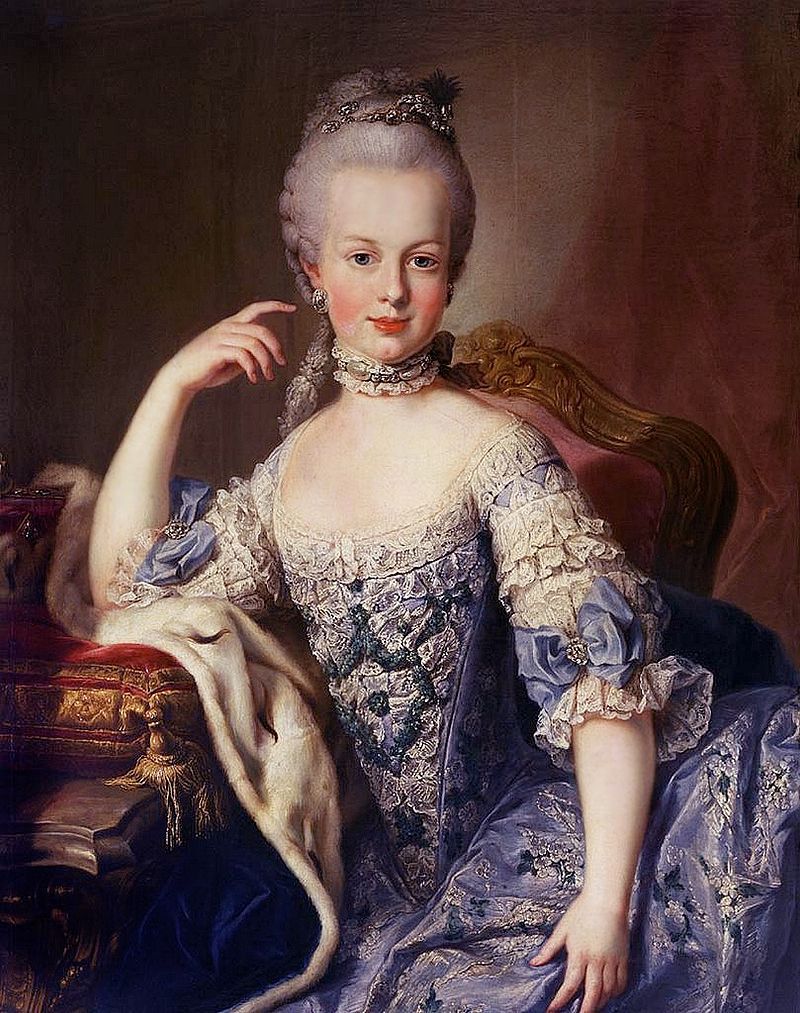
She was buried in an unmarked grave and then exhumed.
Following the execution of Marie Antoinette, her body was placed in a coffin and dumped into a common grave behind the Church of the Madeline. In 1815, after the Bourbon Restoration returned King Louis XVIII to the throne following the exile of Napoleon, he ordered the bodies of his older brother, Louis XVI, and Marie Antoinette exhumed and given a proper burial alongside other French royals inside the Basilica Cathedral of Saint-Denis.
Her spending wasn’t a main cause of the French Revolution.
Thomas Jefferson supposedly said that if not for Marie Antoinette, there might have been no French Revolution. Regardless of whether he really said that (as the careful reader might wonder), there has certainly been a misperception throughout history that Marie Antoinette’s excesses played an outsize role in France’s economic problems. As stated before, Marie Antoinette adopted, rather than invented, the lavish lifestyle of Versailles. In addition, France was already broke before she arrived.
“The treasury was empty by the time they took the throne,” Weber says of Marie Antoinette and Louis XVI. Even so, the king chose to send French troops to the American colonies to fight Britain, to which France had recently lost Canada and many Caribbean colonies in the Seven Years’ War.
“It was not a popular decision that he made to send the French troops to fight with us in the American Revolution, because France was basically bankrupt and it was really expensive,” she says.
So while there were a number of problems that contributed to France’s economic woes and the revolution, Marie Antoinette wasn’t a main cause. She was just an easy scapegoat.

